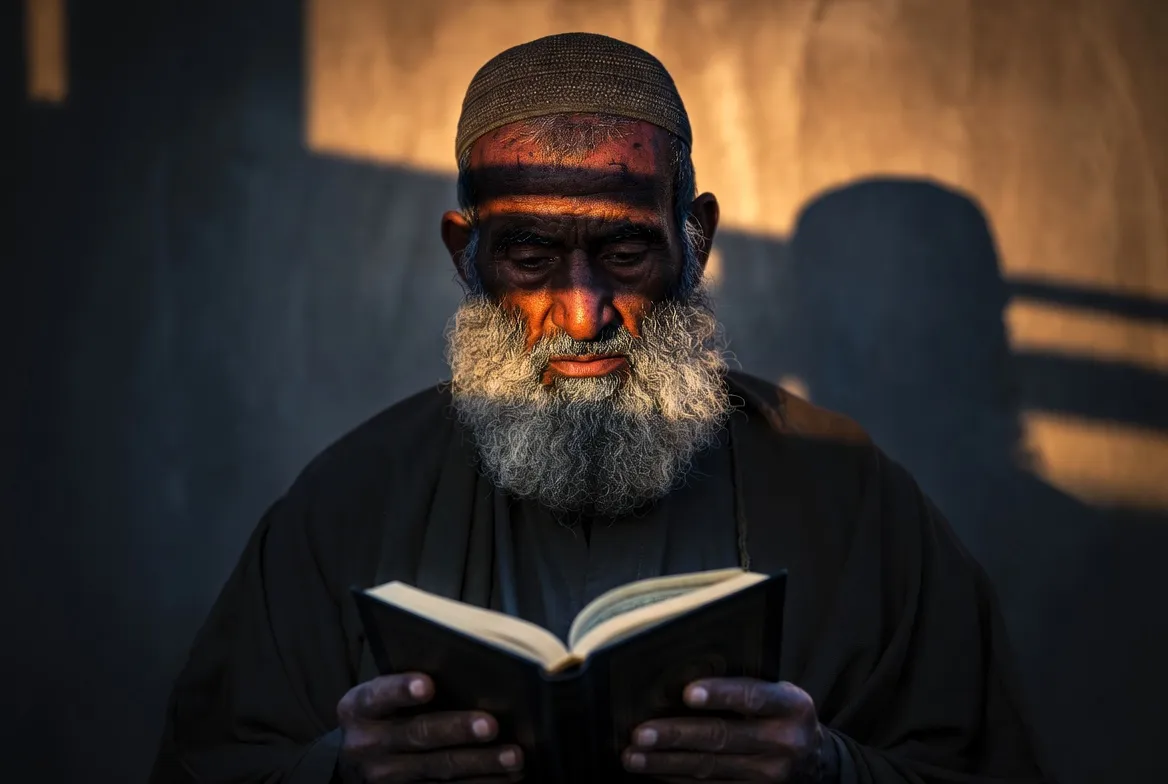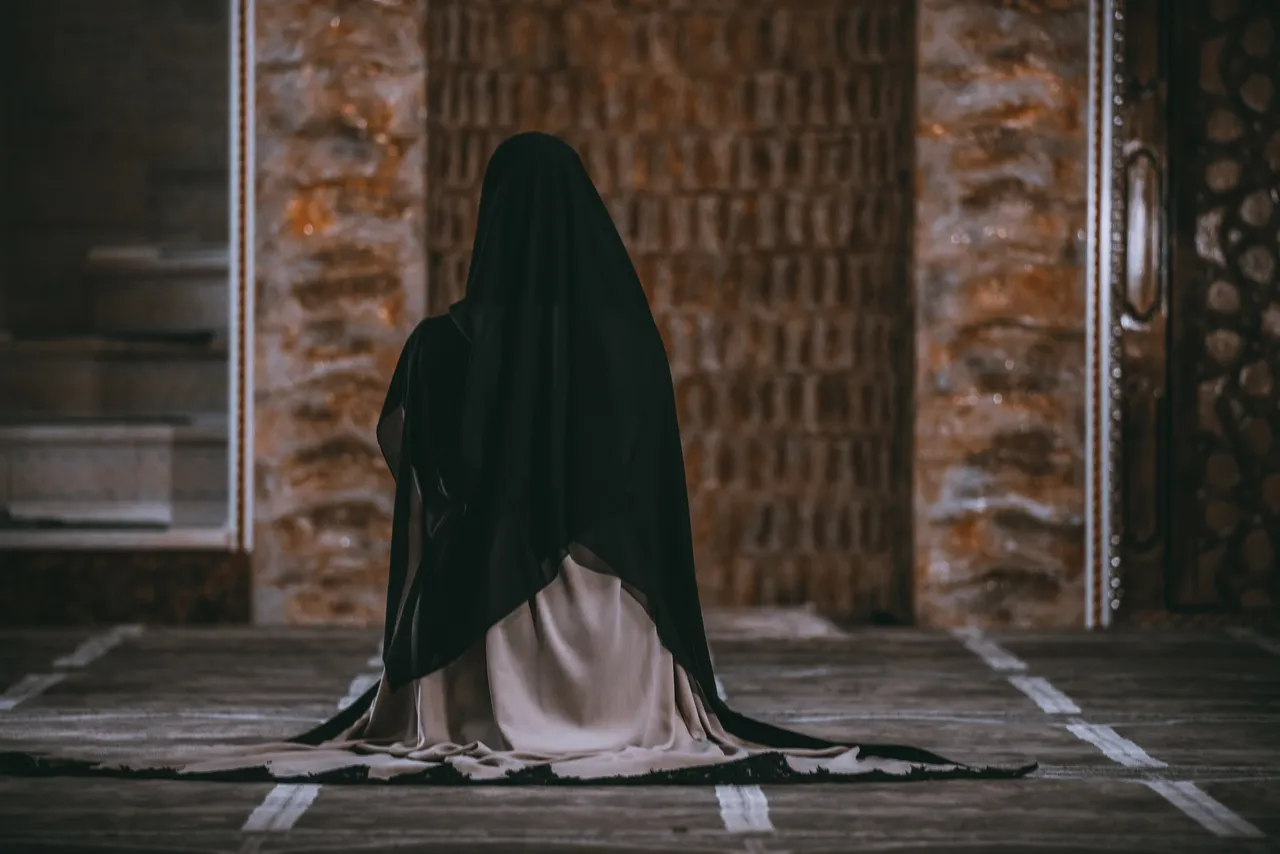
Remembrance in Islam is not empty sounds, but complete meanings articulated in complete sentences that nourish the mind and heart.
Thus, the language of the Arabs testifies; only complete speech is spoken.
Therefore, the prescribed remembrance comes in forms that carry meaning:
"Glory be to my Lord, the Almighty" in bowing,
and "Glory be to my Lord, the Most High" in prostration, because it is praise, glorification, and an acknowledgment of servitude.
And similarly, "In the name of Allah" at the beginning;
it is not an isolated utterance, but an implicit sentence meaning: I begin my action in the name of Allah, thus linking the act to the Lord.
As for merely mentioning the single name detached from a sentence and meaning, it is not part of divine guidance,
and it neither increases faith in knowledge nor certainty; rather, it may open the door to delusion and innovations.
Beneficial remembrance encompasses three aspects:
Monotheism that negates associating partners and affirms divinity solely for Allah,
and glorification that brings about awe,
and mindfulness of action that controls the limbs.